- Dentiste Paris | 83, AVENUE FOCH. 75116 PARIS Facettes dentaires et Implants dentaires Paris

Implant dentistry · Paris 16th
Implant dentistry is the field of dentistry dedicated to placing implants: titanium structures inserted into the jawbone to replace the roots of lost teeth. It restores missing teeth, preserves the health of the jaw and improves quality of life by giving patients back a natural smile and the ability to chew.
At Elone Clinic, 83 Avenue Foch (Paris 16th), implants are placed by Dr Ari Elhyani, dental surgeon, who holds a university diploma in implantology. He treats single implants as well as full-arch rehabilitation (All-on-4, All-on-6), with or without bone grafting. We welcome international and English-speaking patients, and a remote video consultation can take place before your first visit.
Written by Dr Ari Elhyani, dental surgeon,🇫🇷 Cet article est aussi disponible en français : Implantologiste Paris

Implant dentist Paris
An implant dentist, or implantologist, is a dentist who practises implant dentistry, the branch dedicated to placing and managing dental implants. Implants, usually made of titanium, are artificial roots inserted into the jawbone to replace a missing tooth or support crowns, bridges or dentures. Dr Elhyani manages the whole implant process: from surgical planning and implant placement to post-operative follow-up, for personalised solutions that combine function and aesthetics.
Dr Ari Elhyani, dental surgeon
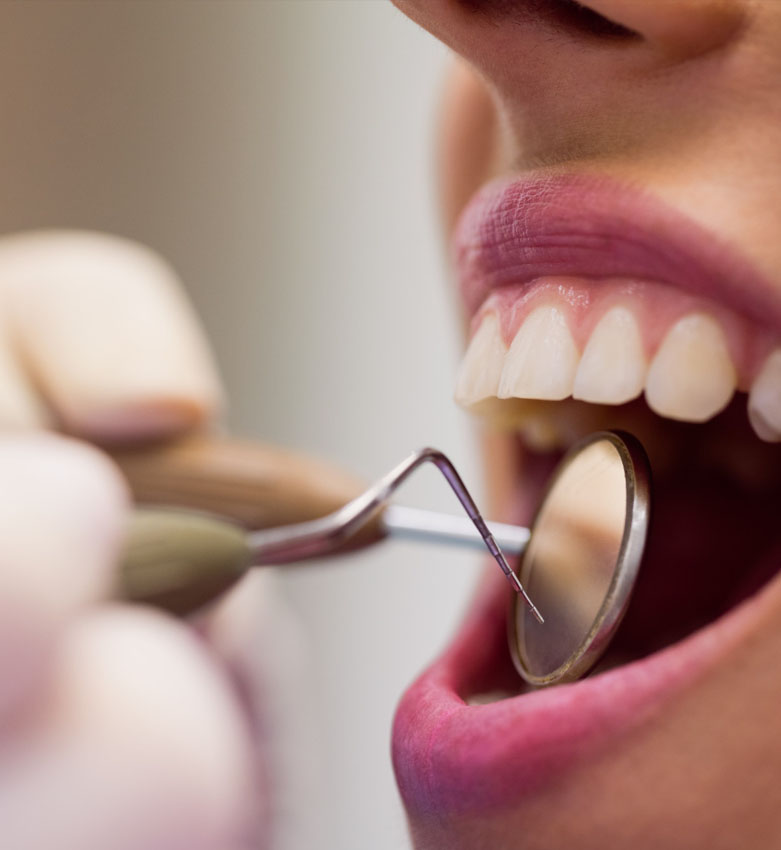
Dental implant placement
Dr Ari Elhyani, dental surgeon in Paris, offers single implants, implant-supported bridges and full-arch rehabilitation to restore your smile and your quality of life.
Treatment pathway
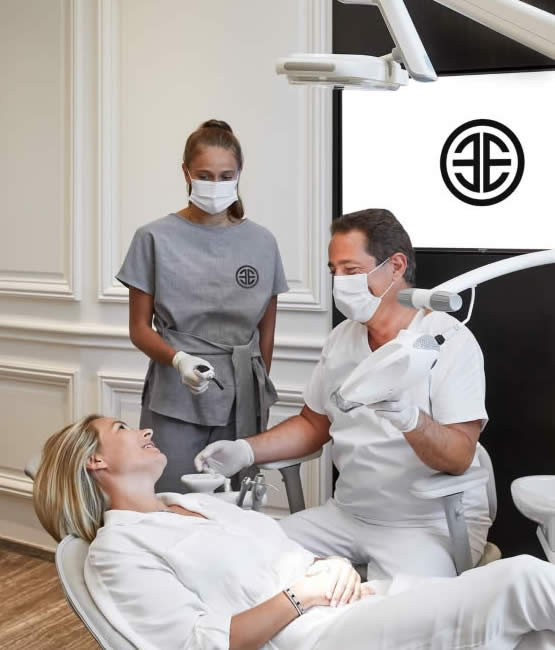
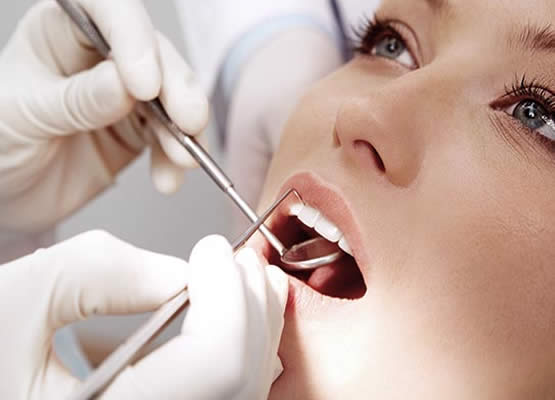
The first step in dental implant placement is the consultation. The implant dentist assesses your needs and makes a precise diagnosis, with a clinical examination and advanced imaging such as a CT scan or cone beam scan, to plan a treatment tailored to your situation.
Once the diagnosis is made, the treatment is prepared. The implant dentist chooses the most appropriate surgical technique, either the conventional method or computer-guided surgery, which offers high precision. When needed, procedures to improve bone quality, such as bone grafts, are carried out to give the implants a solid base. This phase also allows complex cases to be managed efficiently.
After the implants are placed, careful follow-up is essential for successful healing. At Elone Clinic, we give detailed post-operative instructions and monitor healing to minimise the risk of complications.
Dental implants
Several types of dental implants can replace missing teeth and restore a natural-looking smile.
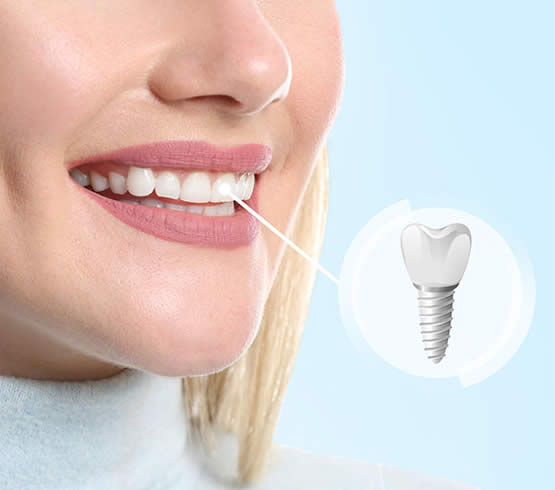
Conventional implants are titanium screws placed in the jawbone to replace the roots of lost teeth. After placement, the bone needs a few months to bond with the implant. A crown, bridge or denture is then attached. This type of implant is known for its strength and natural appearance.
Advantages:

Immediate implants allow a temporary or permanent prosthesis to be fitted during the same procedure as the implant. This reduces the number of visits and speeds up the restoration of your teeth. It requires enough bone density to support the implant from the start.
Advantages:
Dr Ari Elhyani will help you choose the type of implant best suited to your needs, for lasting results.
| Type | Prosthesis | Advantages | Requirement |
|---|---|---|---|
| Conventional implant | Crown, bridge or denture attached after osseointegration | Long lifespan, natural-looking result, proven solution | A few months of healing before the prosthesis |
| Immediate implant | Temporary or permanent prosthesis fitted during the same procedure | Fast recovery of chewing, fewer visits | Enough bone density from the start |

Choosing your practitioner
Start by checking the practitioner’s qualifications and experience. Make sure the dentist holds a diploma in implant dentistry and has completed recognised specialised training. Experience in placing dental implants is a sign of competence.
Also look at the clinic’s equipment: modern technology is essential for precise and safe procedures. Reviews and recommendations are valuable too: read other patients’ feedback and ask dental professionals for recommendations.
At Elone Clinic, Dr Ari Elhyani holds a university diploma in surgical and maxillofacial implantology (University of Paris XII), trained at NYU and at the AUI, and has placed more than 5,000 implants. Each implant is planned from a 3D scan (cone beam) and, depending on the complexity, placed with computer-guided surgery.
Cost
The price of dental implants in Paris depends on several factors: the type of implant, the number of implants needed, and associated services such as imaging (CT or cone beam scans) and the prosthesis. For an exact price for your case, you can book an appointment online.
At Elone Clinic, dental implant placement starts from €1,295, and the quote is fixed: once approved, nothing is added to the planned treatment.
FAQ
At Elone Clinic, dental implant placement starts from €1,295. The final cost depends on the clinical assessment, associated treatment (bone graft if needed), the type of implant and the type of prosthesis. The quote, presented after your case has been studied, is fixed: once approved, nothing is added to the planned treatment.
Yes. Elone Clinic welcomes international and English-speaking patients. A remote video consultation can be arranged before your first visit to review your situation and plan your treatment.
Treatment takes place over several visits: assessment with 3D imaging, implant placement, then the final crown once osseointegration is complete, generally 2 to 4 months later and up to 9 months with a bone graft. Immediate implants reduce the number of visits when the bone allows it.
The implant is placed under local anaesthesia. In our practice, patients generally report no pain during the procedure. Mild swelling may occur in the following days.
With good oral hygiene and regular check-ups, an implant can last more than 10 years. Studies report a 96.4% survival rate at 10 years. The titanium implant is very stable over time; the crown may need replacing after 10 years or more depending on wear.
In some cases, yes: this is immediate implant placement. It preserves bone volume and reduces the number of sessions. It requires enough bone and no active infection. Feasibility is assessed at the first consultation.

